

Managing a building is not only about ensuring its day-to-day operation: it also involves making technological choices that will have a lasting impact on performance, occupant comfort, and the budget. Yet many managers are faced with a complex reality: aging systems, budget constraints, increasing internal demands, energy performance challenges, pressure to modernize… and rarely the time or information needed to decide with confidence.
“This is where a technology roadmap becomes a true support tool. It helps structure priorities and gives managers a clear and practical view of what needs to be done — and when to do it,” says Éric Desharnais, Sales and Customer Experience Business Partner at ACCS. In other words, it transforms a technical environment that is difficult to decipher into a coherent action plan that is understandable and aligned with the organization’s objectives.

5 Reasons to Adopt a Technology Roadmap
- Technology roadmap first and foremost serves to clarify investment priorities (hardware and software). It identifies what needs to be modernized in stages over the next 3 to 5 years, thereby facilitating budget preparation.
- It is also a risk management tool. By identifying potential vulnerabilities—whether aging controllers, inadequate network architecture, or discontinued or unsupervised technologies—we can anticipate failures and assess their operational impact. With a clear overall view, you can avoid costly emergency interventions, service interruptions, and response delays.
- The roadmap also helps improve occupant comfort: by identifying recurring issues and the limitations of current systems, we can propose solutions that optimize control of temperature, humidity, and air quality.
- It also makes it possible to align technology with the organization’s strategic vision. Renovation projects, expansions, environmental certifications, or energy efficiency initiatives are taken into account. A well-designed roadmap thus becomes a strategic planning tool.
- Finally, it facilitates alignment among the various stakeholders (owners, managers, operators, and the IT team) around common objectives. It thus enables better planning of investment decisions and measurement of progress through clear milestones and deliverables.

How Is a Technology Roadmap Developed?
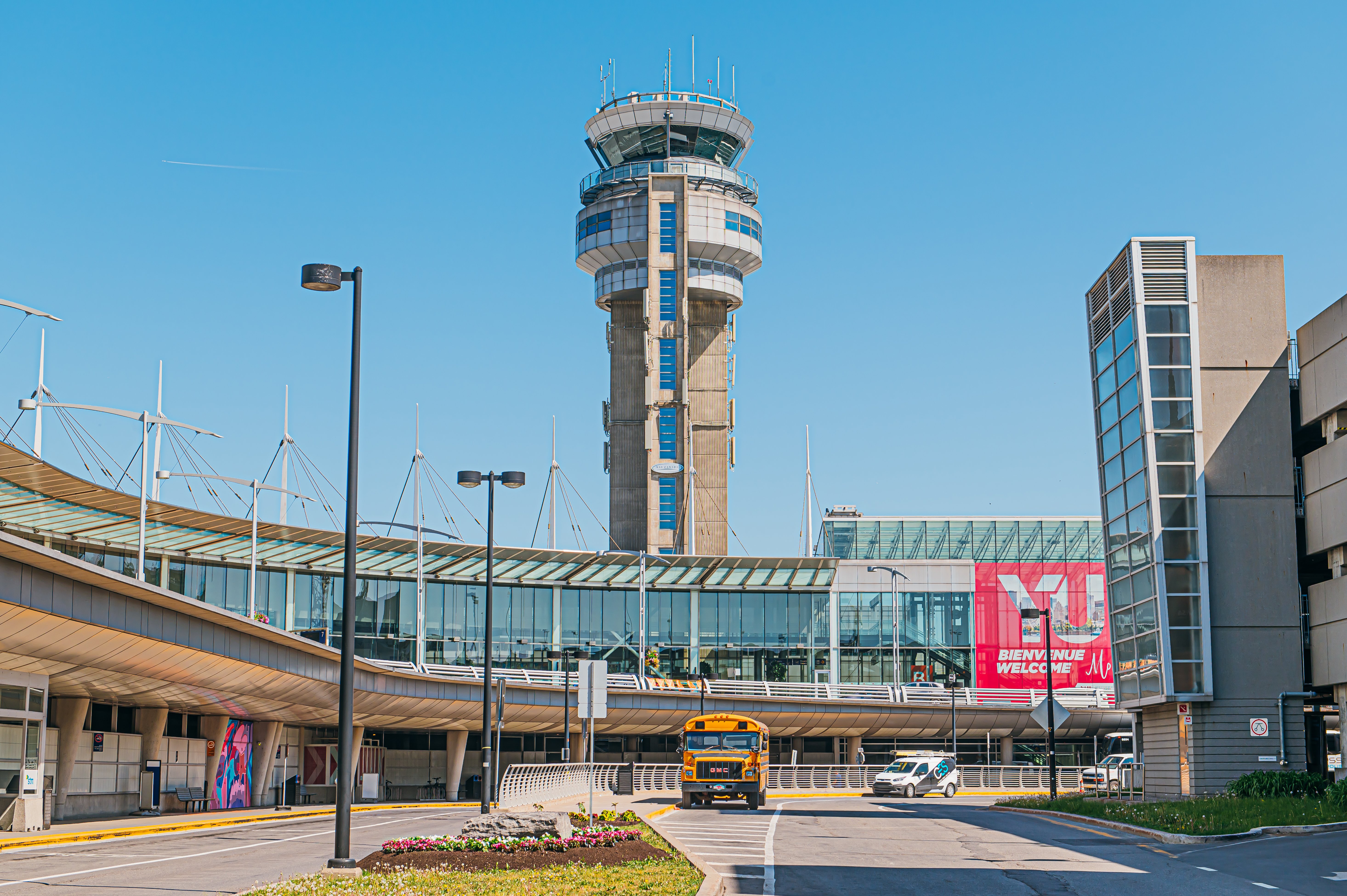
The process begins with a thorough understanding of the issues, needs, and objectives, as we did for the technology integration project at Montréal–Trudeau and Mirabel airports. Next, our designers conduct on-site assessments to examine the actual condition of the systems and the interconnections between equipment.
We then analyze the lifespan of the controllers, the robustness of the current BMS (Building Management System), and its ability to integrate new technologies. This assessment serves as the basis for defining a more open, more secure, and more flexible architecture.
Finally, costs are evaluated, different scenarios are compared, and a realistic multi-year investment plan is proposed.
A Clear Vision, a Solid Modernization Plan
The roadmap first provides accurate picture of the current situation: what is working well, what is problematic, and what poses a risk to building operations. It then presents a diagram of the existing technology architecture, as well as the target architecture recommended by our experts. We highlight the main opportunities for improvement, assessed based on their impact and complexity. Lastly, the document concludes with a structured modernization plan, including a sequence of actions and an estimated annual budget.
Examples of Phased Modernization Projects
The technology roadmap can lead to a variety of initiatives, tailored to the reality of each building. Among the most common is the modernization of systems toward an IP architecture, which improves performance, security, and the ability to integrate other equipment. It may also recommend the centralization of certain spaces to reduce local interventions and maintenance costs.
In many cases, upgrading network managers is a key lever to ensure a gradual transition to a unified IP architecture. This approach allows the harmonious coexistence of existing controllers—with various communication protocols (LON, BACnet MS/TP, Modbus RTU, etc.)—alongside next-generation IP controllers. Finally, the roadmap may target the replacement of controllers or peripheral components that have reached end of life, which are essential to ensuring BMS reliability and avoiding service interruptions.
“The roadmap offers the flexibility to replace only targeted elements and to prioritize the retention of equipment that is still functional, despite exceeding its theoretical lifespan. It is often possible to give controllers or peripheral systems a second life, thus avoiding costly and premature replacements,” explains Pierre Gagné, an engineer with 10 years of experience at ACCS. This approach helps reduce the initial investment and reallocate budgets toward value-added initiatives.
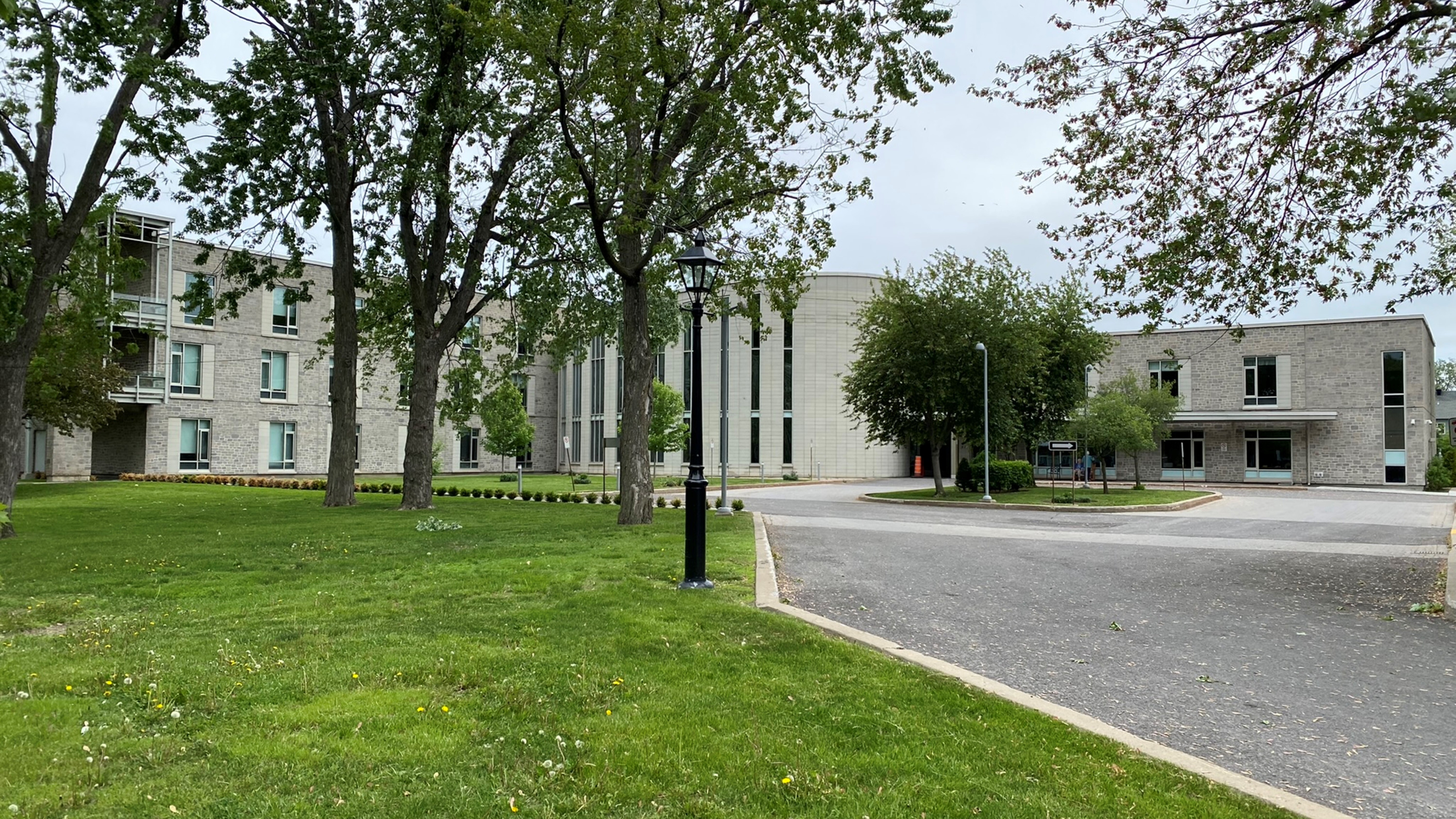
The example of the Maison Jésus-Marie project perfectly illustrates this principle, where the integration of existing HVAC controls made it possible to significantly reduce costs and fund an energy efficiency project.
In Brief!
A technology roadmap is not just a technical exercise. It is a strategic tool that makes it possible to move from reactive management to proactive management, based on knowledge, analysis, and planning.
Ready to gain a clear view of your building and plan your investments with confidence?
Contact us to develop your technology roadmap and take action.
To Go Further
Since this article has piqued your interest, continue your visit by browsing our most viewed articles.

.jpg?width=1150&height=874&name=blog-petra%20(1).jpg)

-1-2.jpg?width=1920&height=1007&name=ACCS_%20(3%20of%2049)-1-2.jpg)